Engineering
Operations
Quality
Companies
Founders
Learn
The book
Company
Get in touch
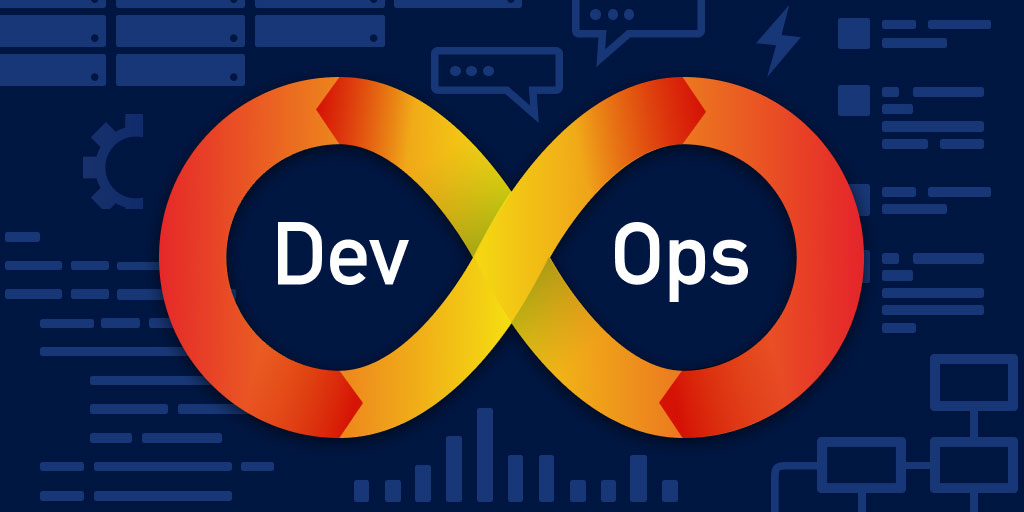
DevOps
Navigating the DevOps Landscape

Shadman Sakib
November 14, 2023
4min read
In the fast-paced realm of software development, DevOps has become a beacon of efficiency, fostering collaboration between development and operations teams. This transformative approach hinges on a cultural shift, encouraging communication, integration, and automation. Let's explore some common DevOps practices and norms that are reshaping the way teams deliver software.
- Continuous Integration (CI) and Continuous Deployment (CD):
DevOps champions CI/CD pipelines, where code changes are automatically tested and deployed. This not only ensures a swift development cycle but also minimizes errors, enhancing overall software quality. - Infrastructure as Code (IaC):
IaC involves managing and provisioning infrastructure through machine-readable script files. This practice brings consistency to deployments, reduces manual configuration errors, and enables version control for infrastructure changes. - Collaboration Tools:
DevOps thrives on collaboration, and tools like Slack, Microsoft Teams, and Atlassian's Confluence play a crucial role. These platforms facilitate real-time communication, fostering a culture of transparency and shared responsibility. - Monitoring and Logging:
DevOps practices for monitoring and logging are critical for maintaining the health, performance, and security of applications and infrastructure. Effective monitoring and logging provide visibility into system behavior, help identify issues, and ensure efficient incident response. - Automated Testing:
DevOps emphasizes rigorous testing, from unit tests to end-to-end testing. Automated testing frameworks like Selenium and JUnit ensure that code changes do not compromise the integrity of the application. - Version Control:
Git is the backbone of version control in DevOps. It enables teams to track changes, collaborate seamlessly, and roll back to previous states if needed. Branching strategies, such as Gitflow, contribute to a well-organized development process. - Agile Development:
DevOps aligns closely with Agile principles, promoting iterative development, constant feedback, and adaptability. The combination of DevOps and Agile accelerates the delivery of value to end-users.
In conclusion, DevOps is a multifaceted approach, integrating people, processes, and tools. By adopting these common practices and norms, organizations can streamline workflows, reduce errors, and stay ahead in the competitive landscape of software development. Embracing DevOps isn't just about tools; it's a holistic shift that empowers teams to deliver high-quality software at a faster pace.

Why Your Offshore App Looks Finished but Feels Broken
Your offshore app looks finished in the demo but breaks for real users. Learn the six signs and the simple tests non-technical founders can run bef…

Saba Mahjamin
Aug 16, 2026 · 10 min read
How to Review a Software Demo Without Understanding Code
A practical software demo checklist for non-technical founders. Test real user flows, mobile behavior, errors, data, and integrations without revie…

Shusmoy Chowdhury
Aug 16, 2026 · 13 min read
12 Questions to Ask Your Offshore Development Team Weekly
Stop asking your developers, “How is it going?” Use these 12 weekly questions to uncover real progress, blockers, risks, testing, and decisions.
Saba Mahjamin
Aug 16, 2026 · 12 min read