Engineering
Operations
Quality
Companies
Founders
Learn
The book
Company
Get in touch
Teams/Frontend
Frontend engineers
The screens your customers actually touch. Dedicated frontend engineers working from our Dhaka office, on your stack and your hours — on one US contract, at flat monthly rates.
preview · your-product
Accessibility
checked
Performance
budgeted
Responsive
all breakpoints
The hire your customers judge you by.
Nobody sees your backend. Everybody sees your frontend — every slow load, every broken layout, every button that doesn’t quite work. That’s why we vet frontend engineers on real component work and design fidelity, not framework trivia.
Component architecture
Components that compose cleanly and don't rot. Six months in, new features should still slot in without a rewrite.
State management
Knowing what lives on the server, what lives in the URL, and what actually needs client state. Most frontend bugs start here.
Performance
Fast first loads and smooth interactions — bundle discipline, lazy loading, and respect for Core Web Vitals.
Accessibility
Keyboard navigation, screen readers, sensible contrast. Built in from the start, because retrofitting it is miserable.
Design fidelity
The shipped screen matches the design — spacing, type, motion. Engineers who care about the last 5% of polish.
The stacks we staff.
Tell us what you run — we match from our pipeline. These are the frontend stacks we most commonly place.
| Stack | What we use it for | Where it shows up |
|---|---|---|
| React / Next.js | Product UIs, marketing sites, dashboards | Most modern SaaS frontends |
| Vue / Nuxt | Product UIs with a gentler learning curve | Startups, agencies, internal tools |
| Angular | Large, structured enterprise frontends | Corporate apps, long-lived platforms |
| TypeScript | Type safety across every frontend we staff | Everywhere — it's our default |
| Tailwind + design systems | Consistent, maintainable styling at speed | Teams that ship UI weekly |
| Playwright / Jest | End-to-end and unit testing | Any frontend you want to trust |
What you'll see on Bangladeshi frontend CVs.
Certifications aren't how we vet — our pipeline is. Frontend has fewer formal certs than backend, so we look for honest signals of craft. Behind them sits an engineering-school pipeline — BUET, University of Dhaka, NSU and others — and a competitive-programming culture that takes fundamentals seriously.
| Credential / signal | Source | What it signals |
|---|---|---|
| Meta Front-End Developer Certificate | Meta / Coursera | Structured React and UI fundamentals |
| Front-End Web Developer Certificate | W3C / edX | Standards-based HTML, CSS, JavaScript |
| Open-source contributions | GitHub | Real code, reviewed in public |
| Design-system experience | Work history | Building UI that scales past one screen |
| Core Web Vitals work | Work history | Performance treated as a feature |
How we vet a frontend engineer.
Five stages before you meet anyone — and you still interview last and make the final call. Nobody joins your team without your sign-off.
- 1UI architecture conversation
- 2Live component-building exercise
- 3CSS and layout depth
- 4Code review of real work
- 5English & communication screen
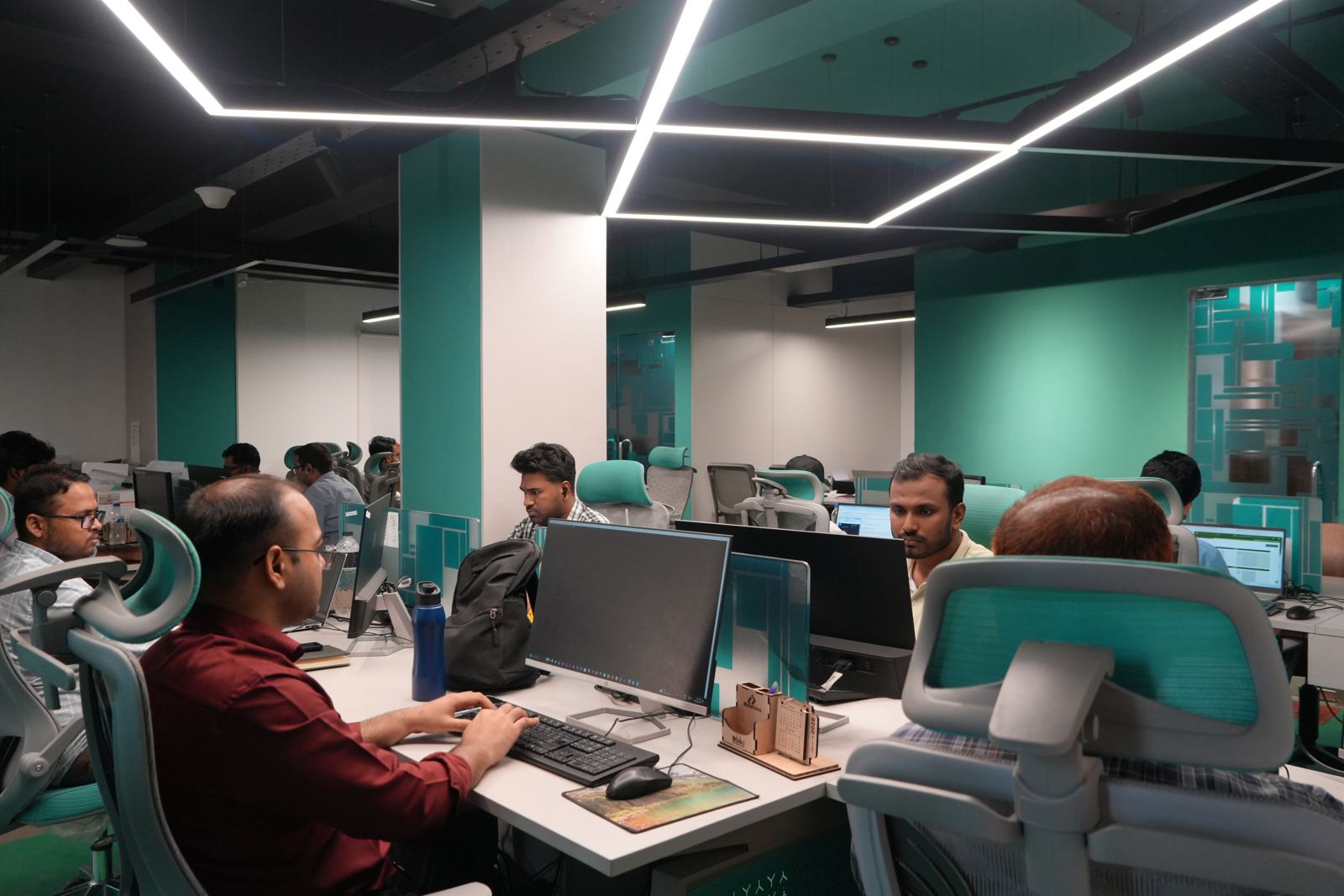

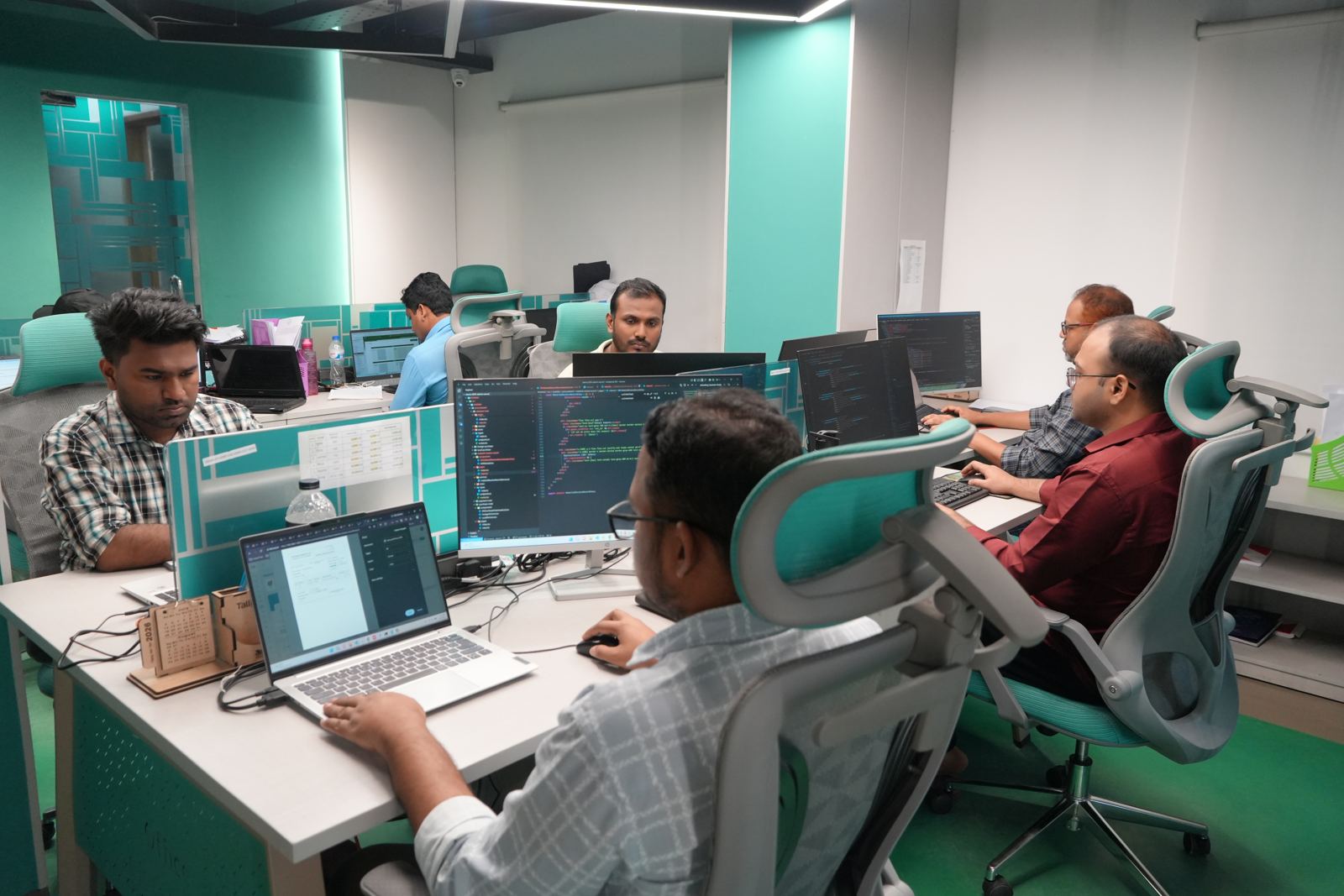
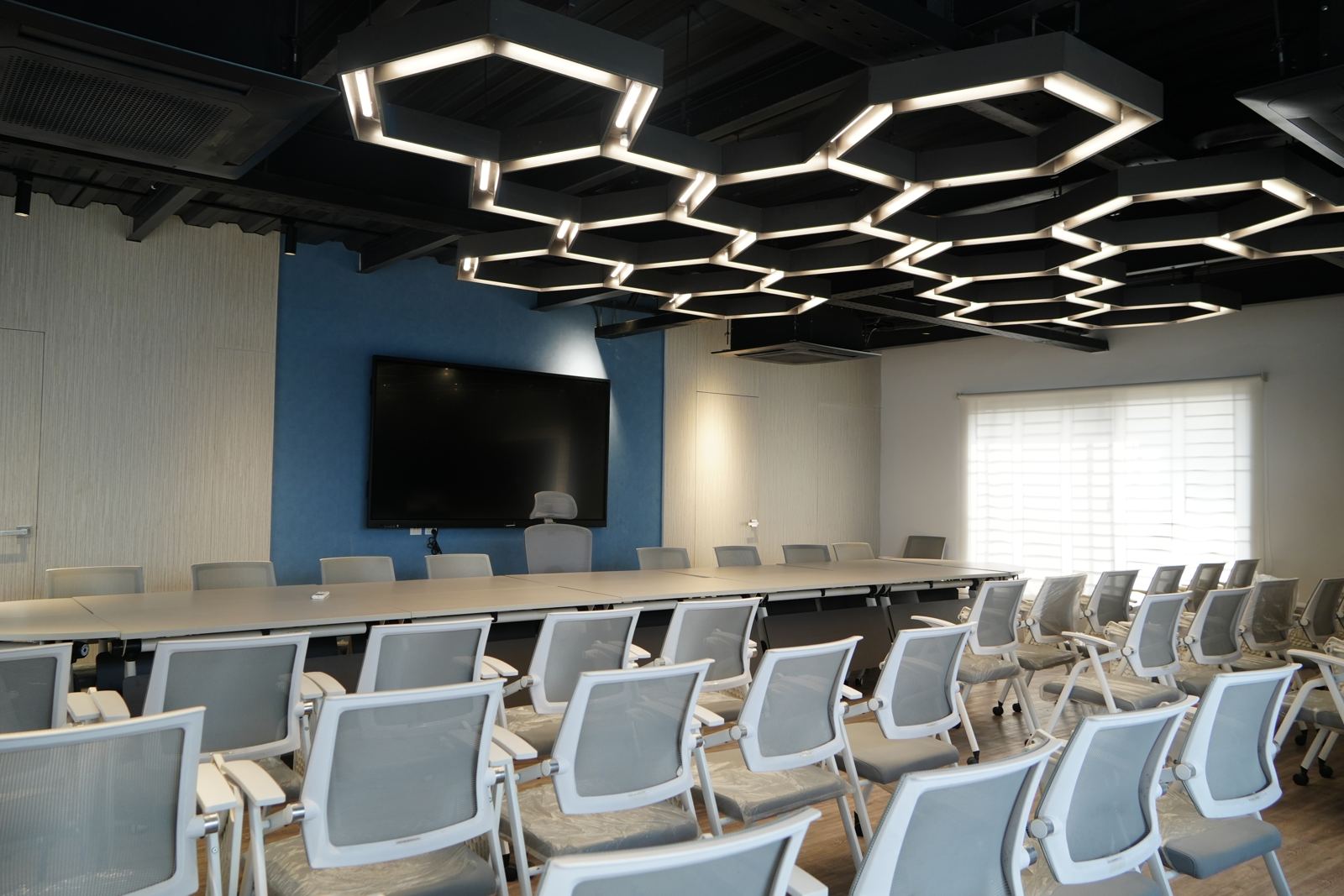
Our office in Dhaka — where your team sits. Real photos, real people.
Frequently asked questions
With Girmairi, a dedicated frontend engineer is a flat monthly seat: junior from $1,800, mid-level $2,600, senior $3,800, lead $4,600, and staff $5,400 per month. The rate includes the office, equipment, HR, and management, and is billed monthly in advance in USD. The full rate card is at /pricing#frontend.
A full-time React or Next.js engineer costs $2,600 per month at mid-level and $3,800 at senior level, with leads at $4,600 and staff engineers at $5,400. These are flat monthly rates for a dedicated, full-time engineer working your hours — not hourly freelance billing.
Girmairi's frontend engineers are full-time employees working from its managed office in Dhaka — no freelancers or scattered contractors. They work exclusively for one client, on that client's timezone, Slack, and standups.
Yes. Girmairi vets each frontend engineer first — including a live component-building exercise and a code review of real work — then the client interviews last and makes the final call. Nobody joins the team without the client's sign-off.
The contract is with Girmairi LLC, a US company, so it works like any US vendor relationship: one monthly invoice in USD, billed in advance. An NDA and full IP assignment are signed before any work begins, so the client owns 100% of the code.
Girmairi replaces the engineer from its pipeline under a replacement guarantee. A bad fit is Girmairi's cost, not the client's.
No — one flat published rate per seat, the same for every client. Every client company also gets one hour per month with Girmairi's founder, a working CTO, included at no extra cost.
Frontend seats are on the standard rate card.
Same flat monthly rate, same includes — office, equipment, HR, management, replacement guarantee.