Engineering
Operations
Quality
Companies
Founders
Learn
The book
Company
Get in touch
Teams/Manual QA
Manual QA engineers
Someone has to try to break your product before your customers do. Dedicated manual QA engineers working from our Dhaka office, on your product and your hours — on one US contract, at flat monthly rates.
staging · test cycle
- 1Test plan writtenPassed
- 2Cases executedPassed
- 3Defects loggedLogged
- 4Fixes verifiedin progress
cycle progress
sign-off next
The last set of eyes before your users.
Automation catches what you told it to catch. Manual QA catches everything else — the confusing flow, the odd edge case, the bug that only shows up on a real phone. That’s why we vet QA engineers on how they think and how they write. A defect report nobody can reproduce is a defect that never gets fixed.
Test planning
A written plan before anyone clicks anything. Scope, risk areas, and what done means for this release.
Exploratory testing
Structured curiosity. Good testers go off-script on purpose — and take notes so the findings stick.
Regression discipline
The same critical paths, checked every release. Repetitive by design, and the reason old bugs stay dead.
Clear defect reports
Steps, expected, actual, evidence. A report your developers can reproduce on the first try.
Release sign-off
A clear go or no-go, with reasons. You always know what was tested — and what wasn't.
The testing we cover.
Tell us what you ship — we match from our pipeline. These are the areas our manual QA engineers most commonly own.
| Area | What it covers | Where it shows up |
|---|---|---|
| Functional testing | Does each feature do what the spec says | Every release, every product |
| Cross-browser & device | The same product, checked on real browsers and phones | Consumer web and mobile apps |
| Usability passes | Where users hesitate, stall, or get lost | Onboarding, checkout, key flows |
| Data validation | Inputs, limits, and what happens with bad data | Forms, imports, billing |
| UAT coordination | Acceptance rounds run with your stakeholders | Enterprise and client projects |
| Documentation | Test cases, run logs, and release notes that stay current | Audits, handovers, compliance |
Credentials & signals.
Certifications aren't how we vet — our pipeline is. Manual QA has fewer formal certifications than development, so we weigh honest signals alongside ISTQB. Behind both sits the same graduate pipeline as our engineers — BUET, University of Dhaka, NSU and others — and a strong competitive-programming culture.
| Credential / signal | Source | What it tells us |
|---|---|---|
| ISTQB Foundation Level (CTFL) | ISTQB | Shared vocabulary and test-design basics |
| ISTQB Agile Tester (CTFL-AT) | ISTQB | Testing inside sprints, not after them |
| Domain testing experience | Prior roles | Knows where your kind of product breaks |
| Bug-report writing quality | Work samples | Clear, reproducible defects — our strongest signal |
| Exploratory session notes | Work samples | How they think when there is no script |
| Test-management tool fluency | Jira, TestRail, Zephyr | Cycles that stay organized as the product grows |
How we vet a manual QA engineer.
Five stages before you meet anyone — and you still interview last and make the final call. Nobody joins your team without your sign-off.
- 1Test-case design exercise
- 2Exploratory session on a real app
- 3Defect-writing review
- 4Process & tooling conversation
- 5English & communication screen
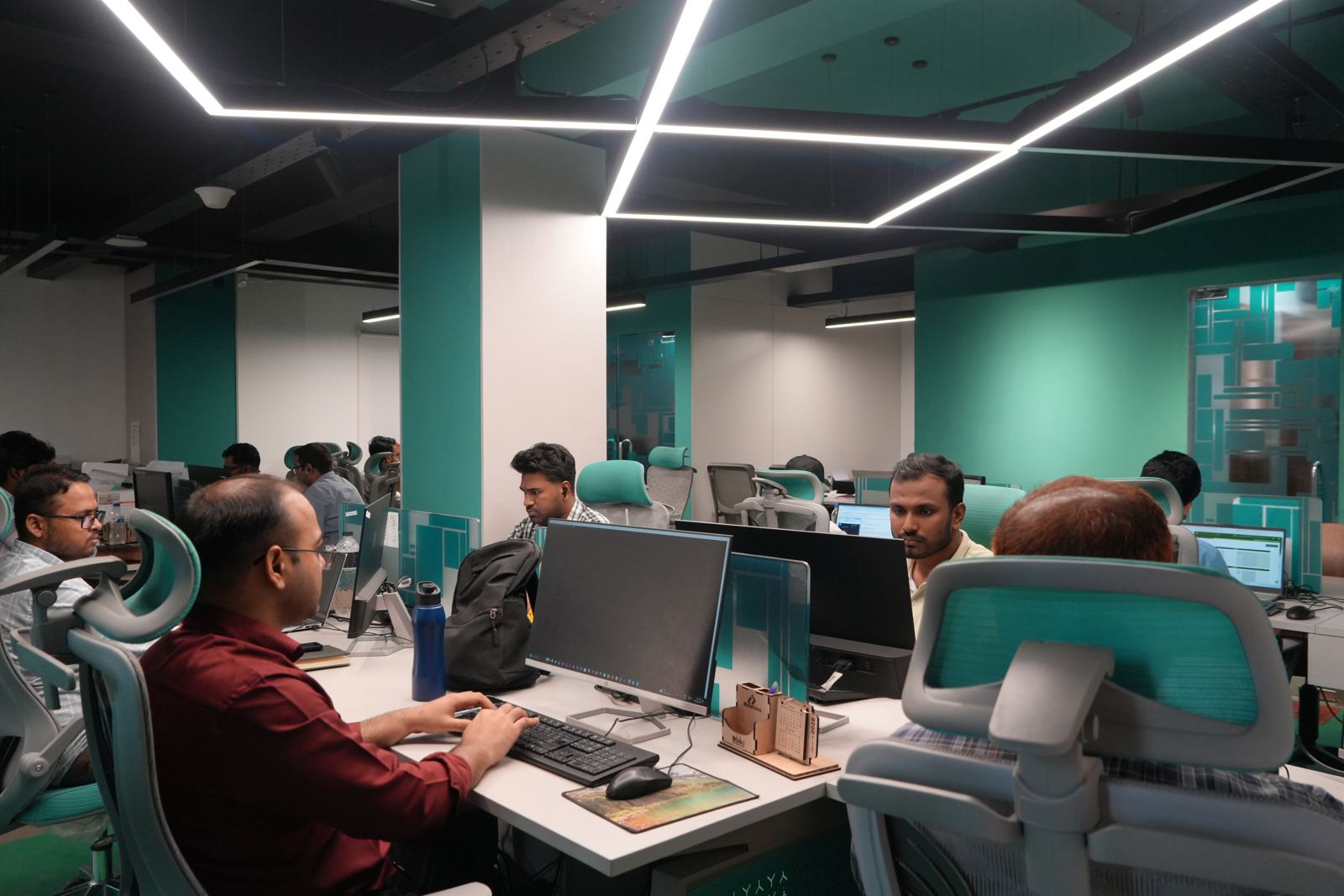

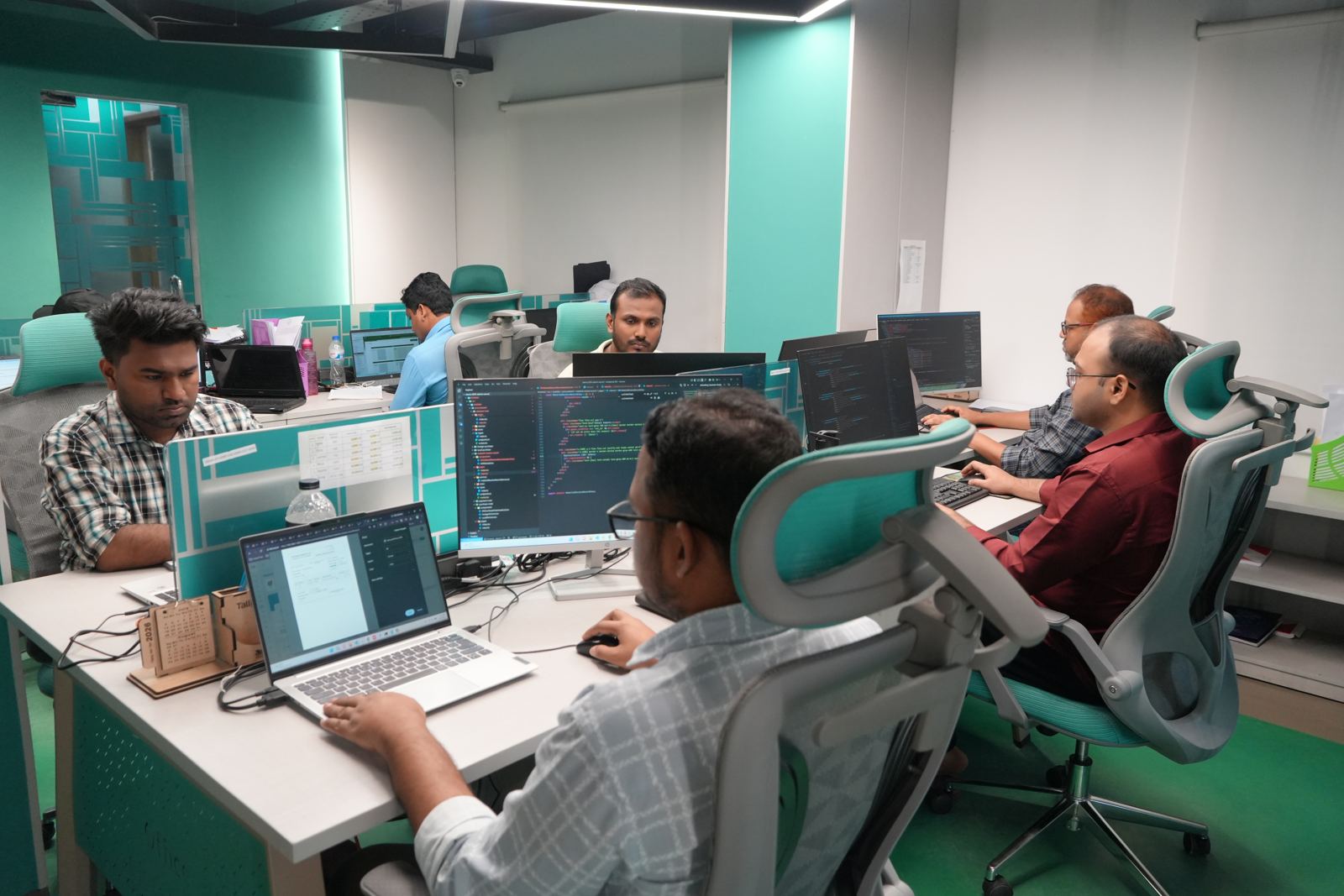
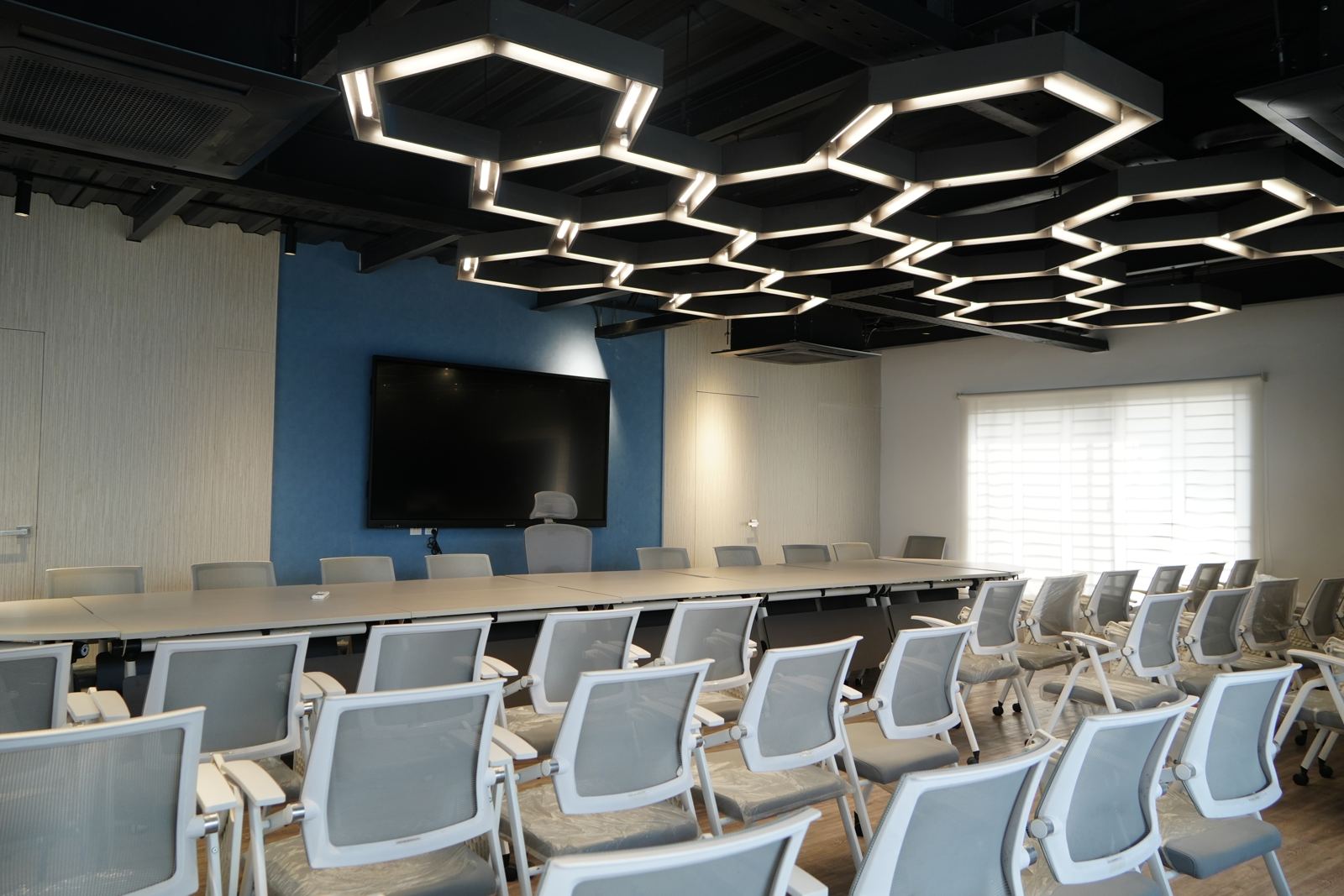
Our office in Dhaka — where your team sits. Real photos, real people.
Frequently asked questions
Girmairi's quality seats run on a flat monthly ladder: junior from $1,500 per month, mid-level $2,200, senior $3,200, lead $3,800, and staff $4,500 — billed monthly in advance in USD. Manual QA seats price below their automation equivalents, so ask us for exact numbers. The full rate card is at /pricing#quality.
Yes. Exploratory testing is one of the core skills Girmairi vets for — every candidate runs a live exploratory session on a real app and has their session notes reviewed before you ever meet them. You get a dedicated full-time engineer doing structured exploratory passes on your product, not a crowd-testing service.
Automation only catches what you scripted it to catch; manual QA finds the confusing flows, edge cases, and real-device bugs no script anticipated. Most teams get value fastest from a manual QA engineer who builds test plans and regression discipline, then layer automation on top of stable cases. Manual QA seats also price below automation seats, so they are the cheaper place to start.
ISTQB Foundation Level is common among Bangladeshi QA engineers and common in our pipeline, though we never treat a certificate as a guarantee. Girmairi vets on how candidates design test cases, run exploratory sessions, and write defect reports — the signals that actually predict day-to-day quality.
We vet candidates first; you interview last and make the final call. You contract with Girmairi LLC, a US company, sign an NDA and IP assignment before any work begins, and are billed monthly in advance in USD. The engineer works full-time from Girmairi's managed Dhaka office as part of your team.
Every seat comes with a replacement guarantee. If a tester isn't the right fit, tell us and we replace them from our pipeline — a bad fit is our cost, not yours. You interview and approve the replacement just like the original hire.
One flat monthly rate covers the full-time engineer plus office, equipment, HR, and management in our Dhaka office, with the replacement guarantee included. Every client company also gets one hour per month with Girmairi's founder — a working CTO — at no extra cost. There are no discounts — one published rate, the same for every client.
QA seats are on the standard rate card.
Same flat monthly rate, same includes — office, equipment, HR, management, replacement guarantee.