Engineering
Operations
Quality
Companies
Founders
Learn
The book
Company
Get in touch
Why Bangladesh.
Every offshore firm claims its country is special. So instead of claims, here is the market analysis that made us build here — pipeline, attrition, cost-value, and the honest tradeoffs — the same way we'd brief a client deciding for themselves.
The untapped pipeline
Bangladesh graduates thousands of capable engineers every year from a serious university system — BUET, the University of Dhaka, North South University, and a long tail of engineering schools behind them. The country also runs one of the most active competitive-programming communities anywhere; its universities appear at ICPC world finals year after year.
What makes this a market opportunity rather than a nice fact is the mismatch: the global hiring machine hasn't arrived at scale. Where saturated markets have every strong graduate fielding recruiter messages by their second year, here the best people are still reachable — and an employer offering a genuinely good environment gets first pick.
The attrition math
Attrition is the number that quietly decides whether offshore works. Every departure costs you months of context, and in saturated markets churn is structural: talent is endlessly poached, counter-offered, and relocated. Egypt is the clearest recent example — a genuinely strong engineering market that got discovered, and whose best people are now heavily recruited into Gulf relocation offers.
Egypt is where offshore was five years ago — discovered, expensive, high-churn. We're where the untapped talent still is.
That's analysis, not criticism — Egyptian engineers are excellent, which is exactly why they're being bid away. Bangladesh's talent, offered fair pay and real growth at home, stays. Long tenure is the compounding asset: the engineer in year three of your codebase is worth multiples of a rotating seat.
Cost-value at comparable skill
We won't publish salary tables — market-level data is a search away in public salary surveys, and our internals are our business, the same as yours. The honest summary: Bangladesh offers comparable engineering skill at a market cost meaningfully below saturated hubs, which is what lets us pay our engineers properly, keep them for years, and still publish the flat rates on our rate card. You judge the value from the number you'd actually pay — it's public.
See the rate card →The honest tradeoffs
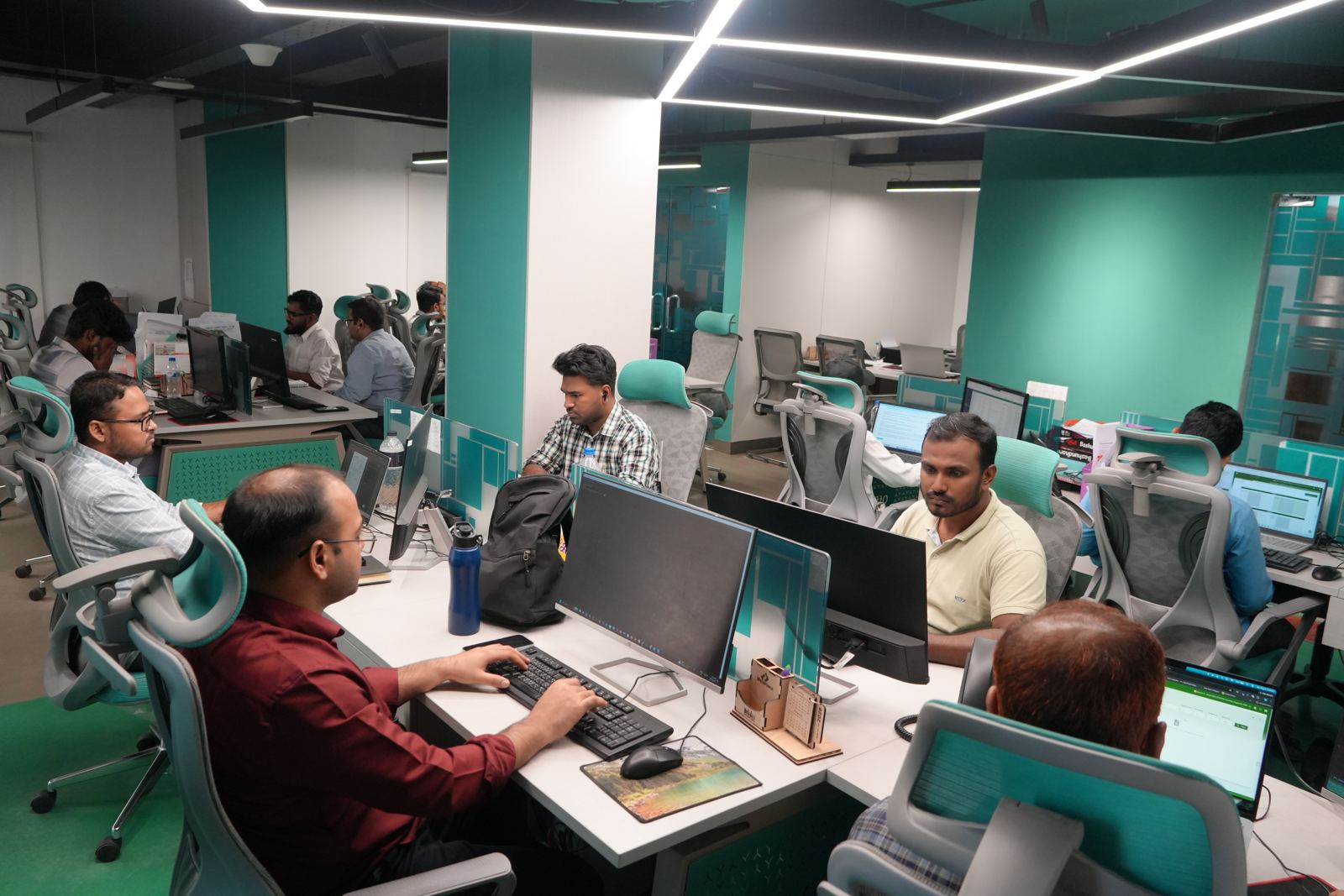
No serious analysis skips the downsides. Bangladesh's grid power is not always stable, consumer internet can drop, and the freelancer-from-home model inherits every one of those problems. This is precisely why we don't use it.
Our answer is the owned office: grid power backed by generator and UPS, two ISPs with automatic failover, company equipment at company desks. The infrastructure realities are real — and solved, structurally, once, for every seat. It's also why the office isn't a perk in our model; it's the product.


Judge it by the engineers.
The analysis gets you interested. The candidates convince you — and you interview them before deciding anything.