Engineering
Operations
Quality
Companies
Founders
Learn
The book
Company
Get in touch
How an engineer earns a seat.
Vetting exists to answer one question: does this person know what good looks like? Everything below is built around that question.
One policy up front: we publish the pattern, never the test content. The tests only work if candidates can't rehearse them.
What we screen for
Judgment over trivia. A candidate can memorize answers; they can't fake knowing what good looks like. So we look for four things:
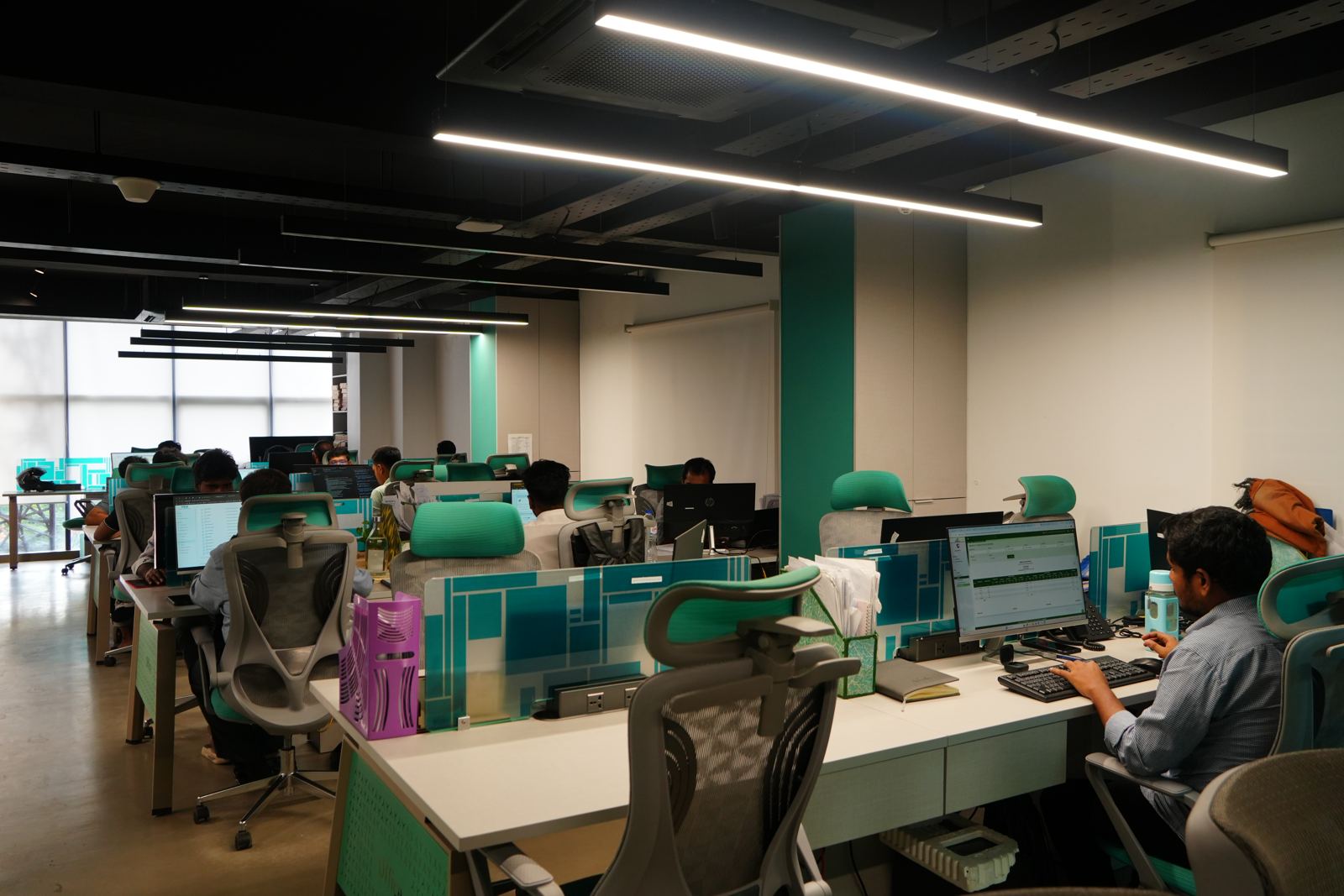
Architecture sense
Can they shape a system, not just write a function? We ask how they would build something real and listen to the trade-offs they weigh.
Real coding, observed
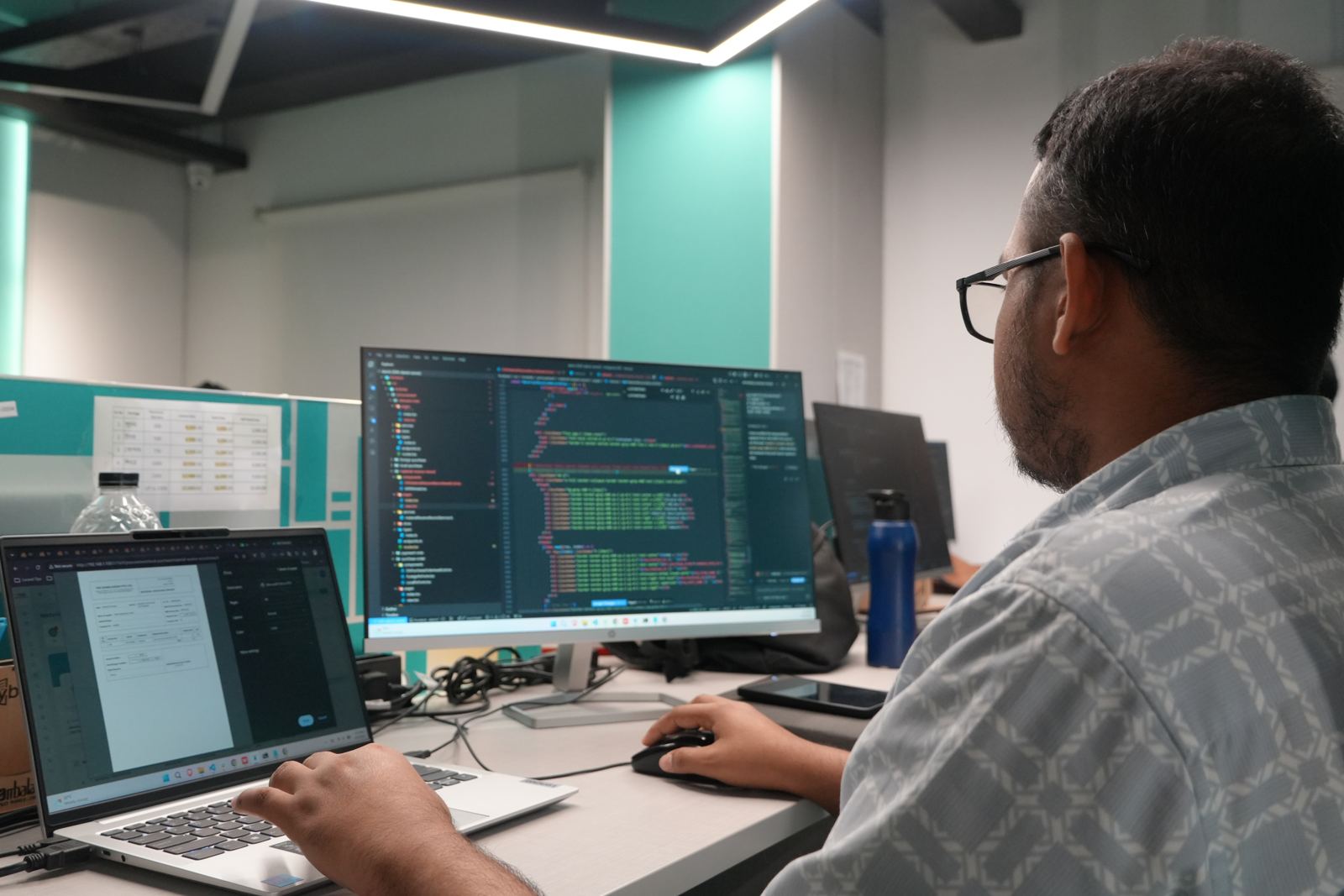
They write real code while we watch. Their own hands, their own habits — not a take-home they could hand to someone else.
Communication in English
Can they explain a decision in plain English, in writing and out loud? Your standup depends on it.
Honesty about the unknown
We ask things they can't know. The right answer is "I don't know — here is how I'd find out." Bluffing tells us more than any wrong answer.
The pipeline, stage by stage
Every engineer passes these stages before a client ever sees a profile. This is the pattern — the shape of the pipeline, not its content.
- 1Technical depth interviewA senior engineer probes architecture and judgment. Not trivia — how they think when the problem has no clean answer.
- 2Live build exerciseReal code, real time, their own hands. We watch how they work, not just what they finish.
- 3English & communication screenWriting and speaking, judged separately. An engineer you can't understand is a seat you can't use.
- 4Reference and background passWe talk to people they worked with and check the record. Quiet work, done before we present anyone.
- 5The client's interviewAlways last, always the client's call. Nobody joins a team without the client's sign-off.
The many who don't pass
Most candidates don't get through, and that is the pipeline doing its job. Not passing is not a verdict on a career — strong engineers can miss one stage on one day. They can retry after a waiting period, often after working on the gap we named for them. What never moves is the bar: we would rather leave a seat open than fill it with a maybe. This is why we're slower than a volume shop — and why we intend to stay that way.
After the seat: vetting doesn't stop
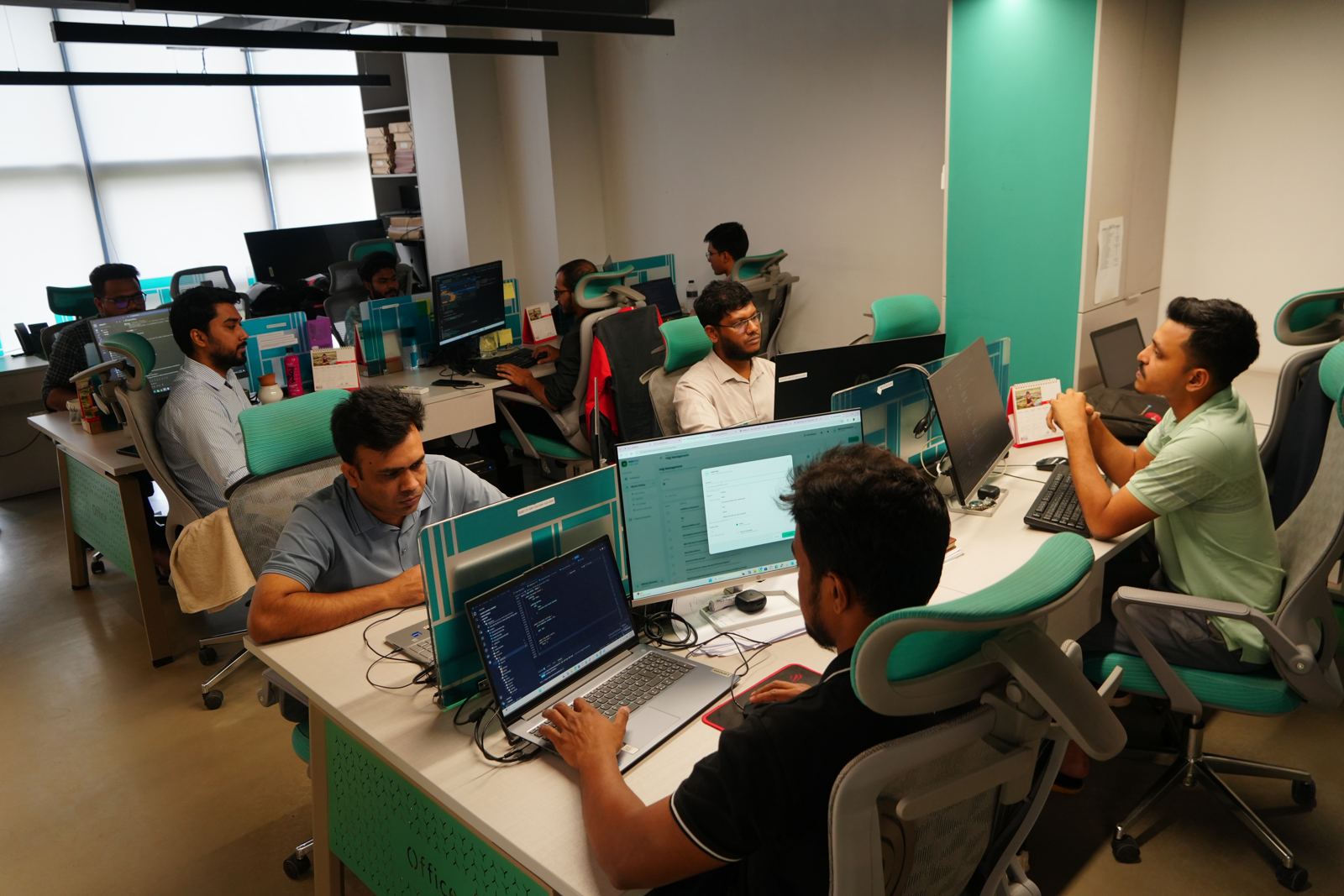
Passing the pipeline earns a seat; it doesn't keep one. Every engineer gets regular performance reviews, which we run and report on. And the replacement guarantee is the enforcement mechanism: if an engineer isn't the right fit, we replace them and your rate doesn't change. A bad fit is our cost — that's what keeps our vetting honest.
Special cases
Two kinds of seats get more than the standard pipeline:
Founder seats
A founder's first engineer carries more weight than a seat on a large team. So founder seats add one more stage: a pairing session with the client, on the client's actual problem, before anyone commits.
Lead & Staff seats
Seats that set direction face a deeper architecture bar. The depth interview goes longer and harder: systems they have owned, decisions they would defend, failures they would own.
Example: the backend team →Start the first call.
Tell us the roles. We'll show you engineers who already passed this pipeline.