Engineering
Operations
Quality
Companies
Founders
Learn
The book
Company
Get in touch

Management
The Significance of Project Documentation

Minhazul Abedin
October 18, 2023
3min read
Project documentation includes written material that outlines a project's processes, plans, and activities, such as project charter, requirements, design, test cases, and user manuals. It provides a reference for stakeholders and serves as a valuable resource for future use
Benefits of Project Documentation
- Improved Communication
Communicating project goals, plans, and progress to stakeholders is beneficial. - Increased Efficiency
Clear documentation is essential to streamline processes, minimize misunderstandings and rework, and ultimately save time. - Better Collaboration
Collaboration and coordination among different departments can be improved by effective documentation. - Improved Quality
Proper documentation ensures adherence to standards and processes, leading to higher-quality project outcomes. - Reference for Future Use
Recording past experiences helps organizations learn from their mistakes and make continuous improvements for future projects. - Compliance
Documentation is frequently necessary to comply with legal or regulatory obligations. It also serves as a record of due diligence and accountability.

Types of Project Documentation
- Project Character
This document provides an overview of the project's objectives, goals, stakeholders, and broad plans. - Requirements Document
A Complete Guide to Defining Stakeholder Requirements and Expectations. - Design Document
The document outlines the technical aspects of the project's execution. - Test Cases
Describing the necessary steps and requirements for testing the project's deliverables. - User Manual
Providing Guidelines for Operating and Utilizing the Final Product of the Project. - Status Reports
Provide frequent updates on the project's advancement, potential hazards, and concerns. - Meeting Minutes
Document project meetings by recording discussions, decisions, and action items. - Risk Management Plan
An Overview of Project Risk Identification, Mitigation and Management Processes and Strategies.
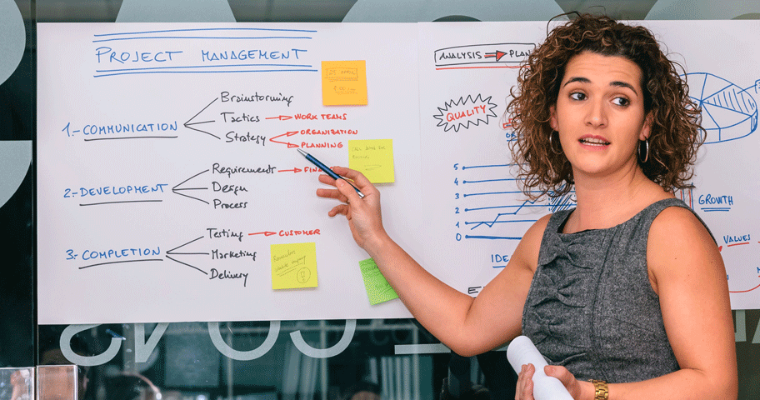
How to Create Project Documentation?
By following these steps, you can create effective project documentation that will help ensure your project's success.
- Define your project scope
Determine the boundaries of your project, including what is included and what is not included. - Identify your stakeholders
Identify the individuals or groups who will be impacted by your project and who will be involved in the project. - Develop a project plan
Create a roadmap for your project that includes timelines, milestones and deliverables. - Define roles and responsibilities
Clearly define the roles and responsibilities of each team member to ensure everyone understands their individual contributions. - Create a communication plan
Establish a plan for regular communication during the project, including how often you will communicate, what information will be shared, and how it will be shared. - Document your processes
Document the processes that will be used to complete the project, including any tools or software that will be used. - Review and revise
Review your project documentation regularly to ensure it remains accurate and up-to-date.
Strategies for Writing Project Documentation
Effective project documentation is crucial for stakeholders to understand the project's goals, scope, and progress. To write effective documentation:
- Plan the document, identify the target audience and purpose.
- Use clear language and avoid technical jargon and acronyms.
- Use headings and subheadings to organize the document.
- Include visuals such as diagrams, tables, and charts.
- Review and revise the document for accuracy, completeness, clarity, and readability.