

Soft Skills
The Key to Professional Success

Shadman Sakib
November 16, 2023
8min read
In today's rapidly evolving professional landscape, the significance of soft skills cannot be overstated. While technical proficiency is crucial, it's the mastery of soft skills that often sets successful individuals apart in their careers. Let's delve into the world of soft skills and discover their pivotal role in fostering effective communication, collaboration, and overall professional development.
The Power of Effective Communication
Imagine a diverse team engaged in a lively discussion, symbolizing the exchange of ideas and information. Effective communicators not only convey their thoughts clearly but also actively listen to others. This skill is essential for building strong relationships with colleagues and clients alike.

Building Strong Relationships
Visualize a firm handshake or a warm interaction between colleagues, representing relationship-building skills. Soft skills such as empathy, teamwork, and conflict resolution are vital in creating a positive and collaborative work environment. Building strong relationships fosters a sense of camaraderie, leading to increased productivity and job satisfaction.

The Art of Time Management
Envision a well-organized desk or a person efficiently juggling multiple tasks to illustrate the importance of time management. Soft skills like time management and prioritization are crucial for maintaining a healthy work-life balance. Professionals who excel in these areas are better equipped to meet deadlines and handle the pressures of a demanding work environment.

Adaptability in the Face of Change
Picture a chameleon changing colors to represent the soft skill of adaptability. In today's rapidly evolving business landscape, adaptability is key. The ability to embrace change, learn new skills, and navigate uncertainty is highly valued. This image reflects the idea that individuals who can adapt to different situations are more likely to succeed in their careers.

The Impact of Emotional Intelligence
Imagine a visual representation of a person with a high emotional intelligence quotient, showcasing self-awareness and empathy. This image emphasizes the importance of emotional intelligence, enabling individuals to understand and manage their own emotions while effectively navigating social interactions. Emotional intelligence is crucial for successful leadership and for creating a positive workplace culture.

Problem-Solving and Critical Thinking
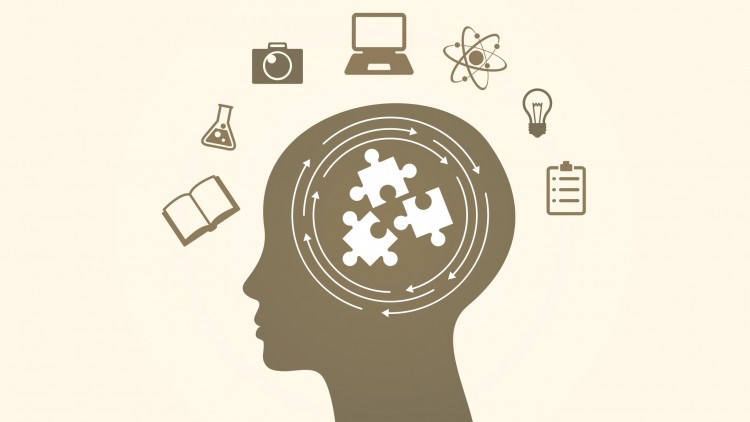
Visualize puzzle pieces coming together to symbolize problem-solving and critical thinking. Professionals who possess these skills can analyze situations, identify solutions, and make informed decisions. Problem-solving skills are highly sought after in today's complex and dynamic work environments.
Continuous Learning and Professional Development
Picture a person reading a book or participating in a workshop to highlight the importance of continuous learning. Soft skills are not static; they can be developed and refined over time. Individuals who prioritize professional development by acquiring new skills and knowledge are better positioned for career growth and advancement.

In conclusion, while technical skills are undoubtedly important, soft skills are the glue that holds a successful career together. By honing these interpersonal, communication, and adaptability skills, you can set yourself apart in the competitive professional landscape. So, invest in your soft skills today and pave the way for a brighter and more fulfilling future
