
Backend
A Beginner's Guide to Back-End Development

Mojahidul Islam
November 18, 2023
12min read
If you are new to programming, you might have heard of the term Back End Development. But what does that mean? In this article, I will explain what Back End Development is, what skills you need to become a Front End Developer, and tips for landing a job.
What is Front End Development?
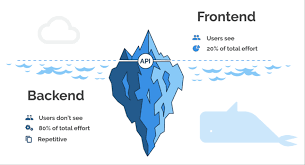
Back-end development refers to the server-side of web development, where the server, database, and application logic reside. While front-end development is concerned with what users interact with directly in a web application or website, back-end development involves the behind-the-scenes work that makes the front-end functionality possible.

What Skills Do You Need to Become a Back End Developer?
- Server-side Programming:
Back-end developers use server-side programming languages like- Python
- Ruby
- PHP
- Java
- Node.js
- Database Management:
Back-end developers work with databases to store, retrieve, and manipulate data. They use database management systems like- MySQL
- PostgreSQL
- MongoDB
- Server Management:
Configuration and management of servers, whether physical or cloud-based (using services like AWS, Azure, or Google Cloud), fall under back-end development responsibilities. - API (Application Programming Interface) Development:
Back-end developers create APIs, which allow different software systems to communicate with each other. APIs enable the front-end of a web application to interact with the back-end. - Security and Authentication:
Back-end developers are responsible for implementing security measures to protect data and user information. This includes user authentication, authorization, and encryption. - Performance Optimization:
Optimizing the performance of a web application, such as minimizing response times and reducing server load, is crucial for back-end developers.. - Content Management Systems (CMS):
Back-end developers may work with or build content management systems that allow non-technical users to manage and update website content easily. - Collaboration with Front-End Developers:
Back-end and front-end developers need to collaborate closely to ensure that the user interface interacts seamlessly with the server-side logic. They often work together using APIs to exchange data between the front-end and back-end components. - Scalability:
As a website or application grows, back-end developers are responsible for ensuring that the infrastructure can handle increased traffic and data loads. This involves considerations for scalability and performance. - Testing and Debugging skills:
As you are developing your application, there will be errors in your code that need fixing. Debugging is the act of identifying those errors ("bugs") and fixing them. Testing is another important skill to learn. Writing tests for your code is a way to ensure that your code is doing what it is supposed to do. For a more in depth explanation on the different types of testing, I would suggest reading this article. - Version control:
Version control is a way to track and manage changes to the project's code. Git is a popular software that is used to track your code. If you mess up a lot of things in your code, you can use Git to go back to a previous version of your code instead of manually rewriting everything. Learning Git also allows you to collaborate with others on a team and make changes to the same code base from different locations. I would suggest starting to learn Git and using a service like GitHub to host your personal projects. - Problem Solving:
The most important skill for any developer is knowing how to problem solve. Companies and clients are looking for you to provide solutions. It is important to learn how to tackle a problem, break it down into smaller manageable pieces, and troubleshoot the issue in these web applications.
How Can You Get a Job as a Back End Developer?
Once you have learned the technical aspects of back end development, you have to focus on putting together your job application materials. There are many incredible resources that can help you learn how to get a developer job.
- Educational Foundation:
- Obtain a solid understanding of any server side programming mentioned above as these are the fundamental building blocks of back-end development.
- Familiarize yourself with responsive design principles, as creating websites that work well on various devices is crucial.
- Learn Frameworks and Libraries:
- Gain proficiency in popular back-end frameworks and libraries such as Node.js, Django, Spring boot or dotnet etc.
- Stay updated on industry trends and new technologies to remain competitive.
- Build a Strong Portfolio:
- Contribute to open-source projects on platforms like GitHub.
- This not only showcases your coding skills but also demonstrates your ability to work collaboratively.
- Networking:
- Attend local meetups, conferences, and networking events to connect with other developers and potential employers.
- Use professional networking platforms like LinkedIn to build connections and showcase your skills.
- Online Presence:
Create an online presence by maintaining a personal website, a blog, or contributing articles to platforms like Medium. Ensure that your LinkedIn profile is complete and reflects your skills and experiences accurately. - Build Soft Skills:
Develop good communication skills as they are essential for collaboration with other team members and for explaining technical concepts to non-technical stakeholders. - Internships and Freelancing:
Gain practical experience through internships or freelancing. Real-world projects add valuable experience to your resume. - Knowledge of Frontend Development:
Minimum knowledge is required of frontend to get a good job in backend. At least you the very basic how frontend work and how API is connected to other side. - Stay Updated:
Follow industry blogs, forums, and news sources to stay informed about the latest trends and technologies in back-end development.
I hope you enjoyed this article and best of luck on your path to becoming a backend developer.
